
Barbara Henderson CCHW Profile
By Dennis Archambault
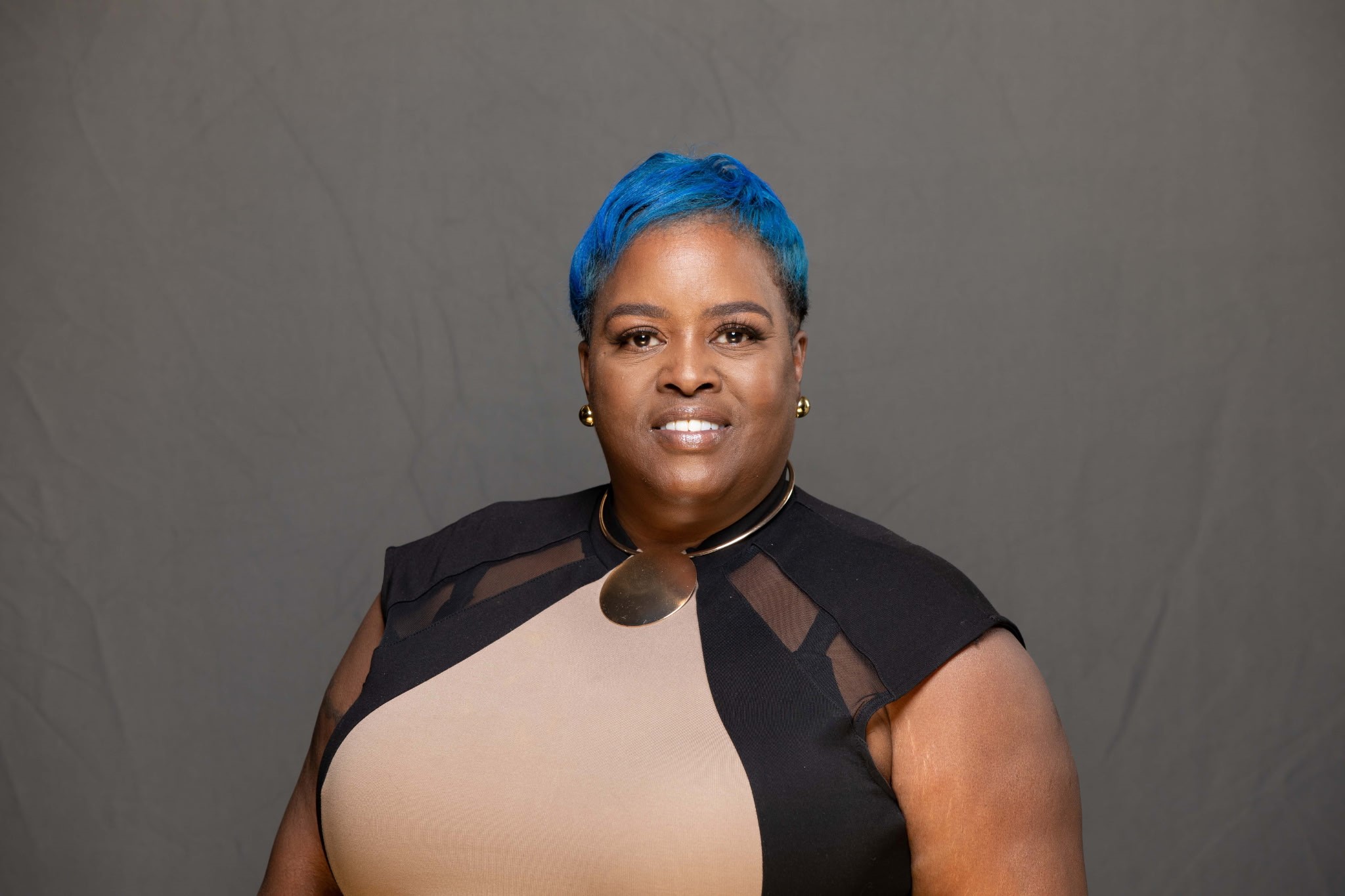
Barbara Henderson, a certified community health worker, marked her first anniversary with Authority Health this September. Alongside that milestone, she celebrated a personal achievement—losing more than 70 pounds since joining the Healthy and Resilient Communities (HaRC) initiative.
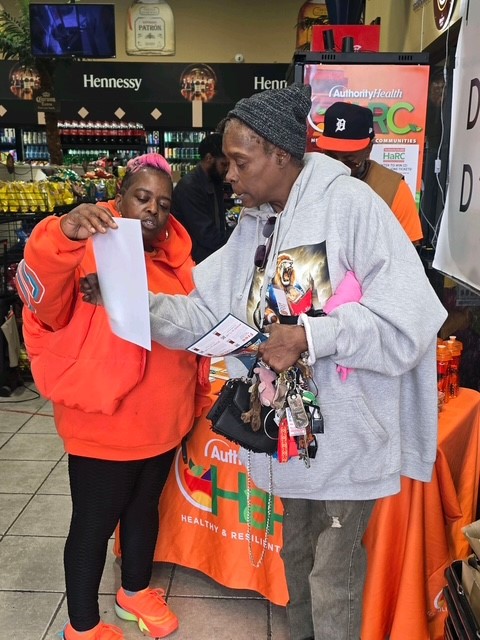
The timing was serendipitous. Shortly after starting her role with HaRC, Henderson was diagnosed with pre-diabetes. Her work focuses on promoting access to healthy foods in non-traditional settings such as convenience stores and gas stations, while helping community members understand the importance of making healthier dietary choices. Inspired by her diagnosis, family advice, and the mission of her work, Henderson decided it was the perfect moment—and the right reason—to begin her own journey toward better health.
At the time she began her work with Authority Health, Barbara noticed she was feeling sluggish and depressed. A medical exam revealed she was pre-diabetic—at risk of developing full diabetes without significant changes to her diet and lifestyle. While her physician delivered the diagnosis, it was an elder aunt who gave her the directive.
“She asked me, ‘What are you eating? You know that what you eat affects every aspect of your body,’†Barbara recalls. But Barbara was busy. “I really didn’t have time to eat. I was running here, running there… so I ate a lot of junk food.â€
Her aunt responded, “That’s why you’re feeling sluggish and tired. What you’re putting in your body is processed food. You’re not eating healthy, you’re not eating salads, and you’re not exercising.â€
Taking her aunt’s words to heart, Barbara began eating from the Healthy and Resilient Communities menu, which offers affordable, appealing, and nutritious options. She also made healthier choices elsewhere, practiced portion control, and incorporated moderate exercise. The result was a steady reduction in weight—from 253 pounds to 181.
Barbara was no longer sluggish and began feeling more energized at work. She realized that diet had a psychological dimension: when she was overweight and eating poorly, she often felt depressed, but with healthier habits, her mood improved. “I’m getting more drawn into mental health as I take classes for my community health worker continuing education programs,†she explained.
Her growing interest led her to explore the mental health field, particularly with adolescents and teens. “I’m probably going to be in those lanes rather than just being an all-around community health worker,†she said.
Although Barbara has held various jobs, none involved regular, direct contact with people. Rahim Lockridge, HaRC manager, recognized her outgoing personality and believed she would excel in community health work.
“I have never worked for a nonprofit healthcare organization,†Barbara admits, though she routinely provides informal support to friends and family. “The things we do as community health workers—reaching out to the community, providing resources—I’ve been doing that all my life, but on my own terms.â€
She’s discovered that she enjoys the interaction with people in the community, especially conversations about the connection between healthy eating and holistic well-being. Many people, she notes, don’t realize how closely diet is linked to mental health. “When it comes to food, what you eat affects everything in your body—and it impacts your mental health too. If you’re not eating the right things, you’re not thinking clearly; your mind feels foggy. And if you’re not eating at all, that also affects your mental health. Without proper nourishment, your brain becomes bogged down and heavy. You’re not thinking straight, and your body can suffer as well.â€
As she became more involved in her work and her own dieting, she began to recognize how much of eating is psychological—from the choices we make to the portions we consume. “I made a conscious decision to lose weight,†she explains. Her doctor advised her to start slowly, warning that rapid weight loss can be harmful and often leads people back to old habits. What she needed was a lifestyle change, one that included physical fitness. “I’m working on a fitness routine, but I haven’t reached the level I want yet. I’m still building on it.â€
Currently, she’s doing moderate weight training and walking. “I have a 15‑minute regimen I do in the morning. I’m trying to extend that time—first to 30 minutes, then 45.â€
One of the advantages of her job, she says, is that when she feels the urge to “grab and go,†she only has to look at the HaRC refrigerator. “Instead of stopping what I’m doing and running to McDonald’s for processed food, I can go to the refrigerators and grab something healthy. With that healthy food, I’m putting better nutrition into my body instead of junk. Usually, after I eat McDonald’s, I get really tired. I don’t want to do anything for the rest of the day. But now, I don’t feel that way. I feel energetic. I feel happy. I really do. At first, I didn’t notice it, but as I started to shed weight, I realized I was becoming more upbeat. I have more energy. I can do more things. I even walk my dog in the evenings—something I never used to do.â€
She knows from experience that food is medicine. “That’s how we heal ourselves. That’s how people have been healing themselves for years, long before I got here. I learned that from my grandmother. My grandfather had a farm in Belleville, Michigan, and growing up, I didn’t eat processed food. We ate straight from the garden—everything from corn to beans. Everything was fresh, with no additives or preservatives. My grandmother even made her own jam and jelly.â€
As she got older, though, her habits changed. “We lived in Detroit, but the farm was in Belleville. When I started hanging out with friends, I ate what they ate—the bad stuff. But now that I’m older, I realize that wasn’t healthy for me.â€
The diet of her youth has taken a toll on her digestive system. She can’t tolerate spices or certain foods the way she once did. Yet she’s rediscovering the taste of whole foods, just like she did on the farm. “I can’t eat corn anymore, which makes me unhappy because I love corn. But that’s my body changing, and me adapting—in a good way—by eating healthier food.â€
She reflects on her transformation: “A lot of things have changed in my life since I started bringing my body, mind, and spirit together as one.â€
 Dennis Archambault is vice president of Public Affairs for Authority Health